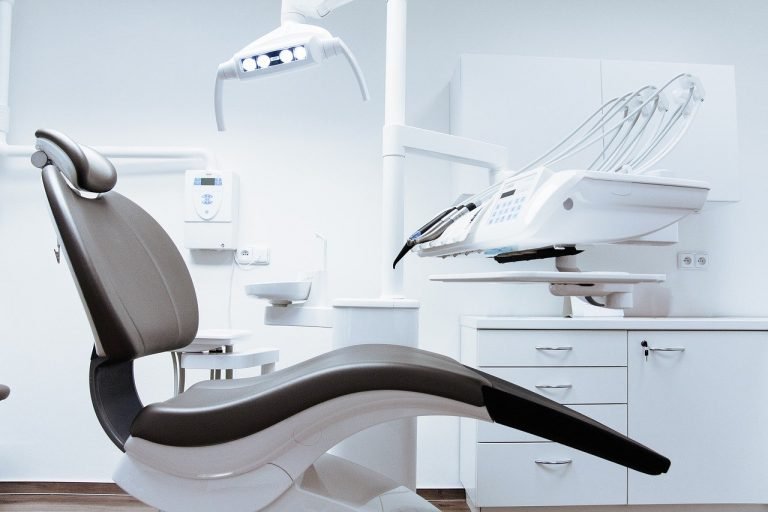
Why is a Dental Air Compressor Noisy and How Can You Reduce It?
---
title: "Why is a Dental Air Compressor Noisy and How Can You Reduce It?"
slug: why-is-a-dental-air-compressor-noisy-and-how-can-you-reduce-it-en
status: publish
excerpt: "Dental air compressor noise comes from vibration, motor type, and poor mounting. Reduce noise with isolation, enclosure, and choosing oil-free silent models. Clinic buyers: target <60db in treatment areas for patient comfort and operator well-being."
categories: ["dental equipment", "air compressors"]
tags: air compressor", "oil-free", "silent", "clinic", "troubleshooting", "maintenance", "noise"]
primary_query: "dental compressor noise reduction"
search_intent: informational
target_reader: clinic buyer
last_updated: 2026-04-02
---
# why is a dental noisy how can you reduce it?
**last updated: 2026-04-02**
a makes from three sources: motor vibration, moving pistons or crankshaft parts, rushing through filters dryers. the amount of depends on type—oil-free scroll models are naturally quieter than oil-lubricated piston units. clinics, keep at below 60 db where operators work. higher levels increase stress patients fatigue staff over long days.
> **Quick answer:** Reduce compressor noise by isolating vibration (use anti-vibration pads or mounts), putting the unit in a sound-dampening enclosure with good airflow, and choosing an oil-free model rated under 60 dB. Do not install compressors in or near treatment rooms; put them in a separate area with proper piping.
## Who this article is for
- Dental clinic buyers choosing equipment
- Distributors guiding customers on quiet installations
- Importers comparing OEM noise specifications
- Service techs fixing noisy compressors
## Focus on the biggest noise factors first
When shopping for a compressor or improving an existing setup, sort your decisions by impact:
- **Sound power level** from the spec sheet—oil-free scroll compressors run 10-15 dB quieter than piston types
- **How it's mounted**—direct floor mounting sends vibration through the building; use isolation pads or suspended mounts
- **Where you place it**—distance from treatment rooms cuts perceived noise; a separate mechanical room is best
- **Enclosure if indoors**—a lined cabinet with acoustic insulation and baffled vents can lower noise by 10-20 dB
- **Maintenance condition**—worn bearings, loose bolts, and clogged filters make any compressor louder over time
What people often get wrong:
- "Silent" means no sound—there's no such thing; "silent" models just stay under 60 dB
- More insulation is always better—without ventilation, the compressor can overheat and fail
- Bigger = quieter—larger units might run slower but noise depends on design, not just size
## Reduce noise: practical checklist
Follow this step-by-step during selection, installation, and maintenance.
### When choosing a compressor
- [ ] Pick oil-free scroll for any unit near treatment areas
- [ ] Check the sound power level (dB) in the spec sheet; ask for test data if it's missing
- [ ] Motor type matters—belt-driven can be quieter than direct-drive when tensioned correctly
- [ ] Look for a built-in enclosure or optional sound canopy
- [ ] Match airflow (L/min or CFM) to your chair count; oversizing can actually reduce noise by lowering duty cycle
### During installation
- [ ] Put the unit in a separate room or at least 8-10 meters from treatment chairs
- [ ] Use anti-vibration pads or spring isolators under the compressor base
- [ ] For wall or ceiling mounts, use vibration-damping brackets
- [ ] Wrap rigid pipes in foam to stop vibration traveling through the pipes
- [ ] If it must be indoors, build an acoustic cabinet with intake and exhaust mufflers
- [ ] Keep service access panels operable; never fully seal the unit
### Ongoing maintenance
- [ ] Tighten all mounting bolts every 3 months
- [ ] Replace air intake filters every 3-6 months
- [ ] Check bearings; replace if they get noisy or hot
- [ ] Inspect belt tension and condition yearly (if applicable)
- [ ] Drain water from the tank and dryers to stop water hammer bangs
**Sound reduction expectations:**
| Noise source | Fix method | Typical improvement |
|--------------|------------|---------------------|
| Motor vibration | Anti-vibration pads | 5-10 dB |
| Airborne sound | Acoustic enclosure | 10-20 dB |
| Pipe vibration | Foam insulation + flexible connectors | 3-8 dB |
| Worn bearings | Maintenance | Restores original sound level |
## Ordering from a manufacturer: what to specify
If you're buying from Shenron or another OEM, be clear about your needs:
- **Airflow requirement** (L/min or CFM) based on number of chairs—a typical dental chair uses 40-60 L/min at 5-7 bar
- **Voltage and frequency**—220V/50Hz in Europe/Asia; 110V/60Hz in the Americas
- **Noise limit**—e.g., "≤60 dB measured at 1 meter" for clinic-side installation
- **Air quality**—refrigerated dryer for general use; desiccant dryer for ultra-dry air (< -40°C dew point)
- **Duty cycle**—ensure the compressor is rated for continuous operation if it runs more than 8 hours daily
- **MOQ and lead time**—standard models ship in 4-6 weeks; custom noise packages may need an extra 1-2 weeks
- **Export packing**—crated vs. carton; request spare filters and manuals in your language
For related buying guidance, see our [dental air compressor buying guide](https://shenronltd.com/dental-air-compressor-buying-guide) and [oil-free vs oil-lubricated compressor comparison](https://shenronltd.com/oil-free-vs-oil-lubricated-dental-compressors). Product catalog: [Dental Air Compressors](https://shenronltd.com/product-category/dental-air-compressors).
## Frequently asked questions
**How many dental chairs can one compressor supply without making too much noise?**
A single oil-free scroll compressor rated 60-70 dB at 1 meter usually serves 4-6 chairs, as long as total airflow demand doesn't exceed the compressor's capacity at your required pressure. For bigger clinics, use several smaller units placed apart rather than one large noisy compressor.
**Can I quiet an oil-lubricated compressor enough for use near treatment rooms?**
You can cut noise by 10-15 dB with an enclosure and vibration isolation, but oil-lubricated piston compressors almost never go below 65 dB in continuous operation. For areas near patients, choose oil-free. Use oil-lubricated units only in remote utility rooms with good ventilation.
**What noise level should I aim for inside the treatment room itself?**
You shouldn't hear the compressor in treatment rooms with the door closed. Aim for 45 dB or less at the operator's position. This usually means either a very quiet unit (<55 db) located far away, or full acoustic isolation if the compressor must be nearby.
**do i need an air dryer, are filters enough?**
moisture ruins dental handpieces and tools. a refrigerated dryer (around 3°c dew point) works for most clinics. you extremely dry (below -40°c point), get desiccant dryer. always add particulate and, oil-free compressors, activated carbon to remove any odor.
**why does my bang when it starts stops?**
that's usually water hammer in tank pipes, loose mounting hardware. drain completely, check downstream piping, tighten all mounts. noise continues, inspect piston rod bearings on reciprocating models.
**is belt-driven actually quieter than direct-drive?**
belt-driven can because motor runs at its best speed while turns slower. but belts tension checks eventually replacement. newer direct-drive scroll models often match that level with less maintenance.
## conclusion next steps
noise compressors is design installation challenge—you won't fix by just adding foam. pick right type from start: units go nearer treatment areas; oil-lubricated belong remote utility rooms. invest good vibration needed, ventilated enclosure.
planning new clinic upgrade? tell us your:
- number of chairs required airflow
- site voltage frequency
- acceptable location
- dryness filtration
we'll suggest 2-3 configurations your market—oem options export packing clear lead times.