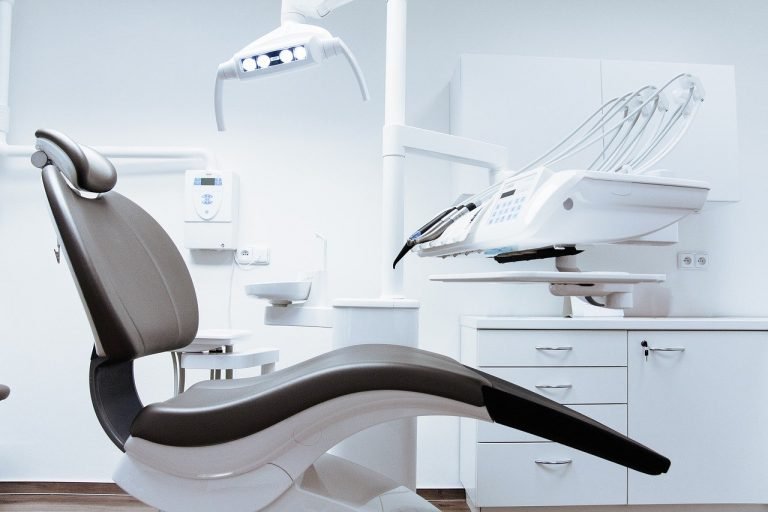
Why is a dental air compressor noisy and how can you reduce it?
---
title: Why is a dental air compressor noisy and how can you reduce it?
slug: why-is-a-dental-air-compressor-noisy-and-how-can-you-reduce-it-en
status: publish
excerpt: Dental air compressor noise comes from mechanical vibration, air pulsation, and motor design. Reduce noise with isolation mounts, silencers, enclosure walls, and choosing oil-free models. Choose the right size to avoid overworking the unit.
categories: [Troubleshooting, Maintenance]
tags: [dental air compressor, air compressor, oil-free, silent, clinic, troubleshooting, maintenance, noise]
primary_query: dental air compressor noise reduction
search_intent: informational
target_reader: clinic buyer, distributor, technician
last_updated: 2026-04-23
---
## Quick answer: Why is a dental air compressor noisy and how can you reduce it?
Dental air compressors make noise from mechanical vibration, air pulsation, and motor design. Reduce noise by selecting an oil-free, slow-speed model designed for clinics, then adding isolation mounts, inline silencers, and proper acoustic enclosure treatment. Right-sizing the compressor for your chair count prevents overworking and excess noise.
---
## Who this article is for
- Clinic buyers selecting equipment for a new or upgraded practice
- Distributors advising clients on noise-sensitive installations
- Technicians troubleshooting existing noisy compressors
- Importers comparing OEM specifications for quiet operation
---
## What matters most for noise control
**Order of impact:**
1. **Compressor type and speed**: Oil-free reciprocating compressors with lower RPM (1400–1700) produce significantly less noise than oil-lubricated high-speed models.
2. **Installation method**: Vibration isolation pads or mounts decouple structure-borne noise.
3. **Air delivery system**: Aftercoolers, moisture separators, and air receivers dampen pulsation noise.
4. **Enclosure design**: Acoustic lining and sealed access panels prevent sound leakage.
5. **Sizing**: An oversized compressor cycling rapidly amplifies noise; undersized units run continuously under load—choose capacity matching your chair count.
---
## Common wrong assumptions about compressor noise
- “All silent compressors are expensive”—Not true; many oil-free models are priced competitively when you factor in reduced maintenance.
- “Adding a muffler alone will solve it”—Air pulsation noise is only one contributor; vibration and motor noise often dominate.
- “Noise is just a comfort issue”—Prolonged exposure affects staff concentration and patient experience; some regulations set limits for workspace noise.
- “Bigger is always quieter”— Oversized compressors cycle more frequently, creating start-stop noise spikes; proper sizing is quieter.
---
## Noise sources and practical reduction checklist
Use this checklist to diagnose and reduce noise in existing or planned installations.
| Noise Type | Primary Cause | Reduction Method |
|------------|---------------|------------------|
| Mechanical vibration | Loose mounting, worn piston rings, motor imbalance | Isolation mounts, rubber pads, tightened fittings, replace worn parts |
| Air pulsation | Reciprocating piston surge, undersized receiver | Larger air receiver, silencer/muffler, pulsation dampener |
| Motor fan/ cooling | High-speed fan design, dust buildup | Clean cooling fins, consider fan speed reduction if compatible |
| Cabinet resonance | Thin metal panels, loose panels | Add acoustic foam inside, secure panels, use damping compound |
**Installation checklist:**
- [ ] Place compressor in a separate mechanical room if possible (minimum 3m from treatment areas).
- [ ] Use anti-vibration mounts or pads rated for the unit weight.
- [ ] Insulate air lines within walls/ceilings to avoid structure-borne vibration.
- [ ] Install a quality aftercooler and moisture separator near the compressor.
- [ ] Select an air receiver tank sized for your CFM demand to smooth pulsation.
- [ ] If noise remains an issue, build a partial or full enclosure with 50mm acoustic panels and a sealed door.
- [ ] Verify that the chosen model's dB(A) rating meets local workplace standards (<70 db(a) is generally comfortable for clinics).
---
## choosing a quiet compressor your clinic
when comparing dental air compressors, request measurements at 1 meter and verify testing conditions. prefer oil-free scroll or piston designs with enclosed motors. typical clinic ranges 60–68 1m.
**voltage frequency compatibility:**
- 50hz markets (most of asia, africa, europe): ensure motor windings fan are rated 220–240v 50hz.
- 60hz (north america, parts asia): 110–120v 220v three-phase may be available.
- oem configurations appropriate country to avoid mismatched speeds noise.
**lead time moq:**
- standard stock units: 1–2 weeks
- custom voltage configurations: 4–8 moqs orders typically range 20–50 units; discuss packaging shipping terms.
---
## practical next step
if you specifying new installation troubleshooting an existing setup, sharechair count, frequency, target maximum noise level. we can propose 2–3 configurations—oem export-friendly—that balance operation, reliability, cost.